


Why Sunlight Stops Your Garage Door From Closing: The Fix
It can be frustrating and confusing when a garage door refuses to close during certain times of the day, especially when everything seems to be working properly. One of the most common causes of this issue is sunlight interfering with the garage door safety sensors. This problem is more frequent than most homeowners realize, particularly in sunny climates like Alabama.
Understanding why this happens and how to fix it can help you avoid unnecessary repairs and restore reliable operation to your garage door system.
How Garage Door Safety Sensors Work
Modern garage doors are equipped with safety sensors located near the bottom of the door tracks on both sides. These sensors send an invisible beam of infrared light across the opening. If the beam is interrupted, the door will not close or will reverse automatically.
This safety feature is designed to prevent the door from closing on people, pets, or objects. However, the system relies on a consistent and uninterrupted beam connection between both sensors.
When something disrupts that connection, even indirectly, the system assumes there is an obstruction and stops the door from closing.
Why Sunlight Causes Sensor Problems
Sunlight can interfere with garage door sensors when it shines directly into one of the sensor lenses. This is most likely to happen during early morning or late afternoon when the sun is low in the sky.
The infrared sensors are designed to detect a specific light frequency. However, strong direct sunlight can overwhelm the receiving sensor, causing it to misinterpret the signal or lose alignment with the sending sensor.
When this happens, the garage door behaves as if something is blocking the opening, even though nothing is physically there.
Common signs of sunlight interference include:
- The garage door closes at night but not during the day
- The door starts to close then reverses immediately
- One sensor light appears flickering or unstable
- The opener light blinks when you try to close the door
This issue is not a mechanical failure, but rather an environmental interference problem.
Other Causes That Can Look Like Sunlight Issues
While sunlight is a common cause, similar symptoms can also be caused by other sensor related problems. It is important to rule out these possibilities before assuming sunlight is the only issue.
- Misaligned Sensors: If one sensor is slightly out of alignment, the beam may not connect properly. Even small shifts caused by vibration or accidental bumps can trigger the safety reversal system.
- Dirty or Obstructed Lenses: Dust, dirt, or spider webs on the sensor lens can block or distort the beam. Cleaning the sensors can often resolve the issue.
- Loose Wiring: Damaged or loose wiring can interrupt the signal between sensors and the opener.
- Sensor Height or Placement Issues: If sensors are not mounted at the same height, the beam may not connect properly, especially if the ground is uneven.
A proper inspection helps determine whether sunlight is the only factor or part of a larger issue.
How to Fix Sunlight Interference
There are several practical solutions that can reduce or eliminate sunlight related sensor problems.
Adjust the Sensor Angle
Slightly adjusting the angle of the receiving sensor can help reduce direct sunlight exposure. Even a small change in positioning can prevent glare from disrupting the beam.
Install Sun Shields or Covers
Specialized sensor shields or small covers can block direct sunlight while still allowing the infrared beam to function properly. These are a simple and effective long term solution.
Relocate or Raise the Sensors
In some cases, moving the sensors slightly higher or adjusting their placement can reduce exposure to direct sunlight at certain times of day.
Clean and Inspect the Sensors
Cleaning the sensor lenses and ensuring they are free of debris should always be the first step. Many false sensor issues are caused by simple dirt buildup.
Check for Proper Alignment
Make sure both sensors are facing each other directly and that their indicator lights are steady, not blinking.
Why This Problem Happens More in Alabama
In states like Alabama, strong sunlight combined with long daylight hours increases the likelihood of sensor interference. Homes with east or west facing garages are especially prone to this issue because the sun shines directly into the garage opening during peak hours.
Humidity and weather changes can also slightly shift sensor alignment over time, making the system more sensitive to interference.
When to Call a Professional Garage Door Company
If adjusting or cleaning the sensors does not resolve the issue, it may be time for professional service. A technician can determine whether the problem is caused by sensor failure, wiring issues, or alignment problems that require precise adjustment.
Ignoring persistent sensor issues can lead to frustration and repeated failures when trying to close the garage door.
Final Thoughts
Sunlight interference with garage door sensors is a common but fixable issue. In most cases, the problem is not a malfunctioning opener but rather an environmental factor affecting the safety system. With proper adjustments, shielding, or realignment, your garage door can return to smooth and reliable operation. Understanding how your system works helps you quickly identify the cause and take the right steps toward a solution.
If your garage door will not close during the day or is experiencing sensor issues, contact Red Mountain Garage Doors today. Our team provides expert diagnosis and repair services to restore safe, reliable operation to your garage door system.
 Replacing a garage door is one of the most cost effective home improvement projects a homeowner can make, especially when the goal is increasing property value. It is often overlooked in favor of larger renovations like kitchens or bathrooms, but real estate data consistently shows that a new garage door delivers one of the highest returns on investment of any exterior upgrade.
 Severe storms are a reality for homeowners across Alabama. High winds, heavy rain, and sudden pressure changes can place significant stress on a home’s structure. While many homeowners focus on roofing and windows, the garage door is often one of the most vulnerable points during a storm. A standard garage door may not be built to withstand strong wind forces, which can lead to structural damage if it fails.
 Garage doors are not silent systems, but they should operate with smooth, consistent sound. When new or unusual noises begin to appear, they often signal that something within the system needs attention. Instead of guessing at the problem, homeowners can learn to identify issues based on the specific sounds their garage door is making.
 When homeowners consider upgrading their garage door, one of the most common questions is whether insulation is truly necessary. In Alabama, where heat, humidity, and seasonal storms are part of everyday life, insulation can play a significant role in comfort and efficiency. Understanding how insulated garage doors work and the benefits they provide will help you decide whether the investment makes sense for your home.
 Every January, homeowners across Birmingham experience the same frustrating problem. The garage door suddenly feels extremely heavy or refuses to open at all. In many cases, the cause is a broken garage door spring. Cold weather is one of the leading reasons spring failures spike during winter months, and understanding why this happens can help homeowners respond safely and avoid further damage.
 Garage doors play a critical role in both residential and commercial properties. They provide security, convenience, and protection while supporting daily routines and business operations. Because garage doors are complex systems made up of multiple mechanical and structural components, professional service is essential to keep them operating safely and efficiently. Understanding the different types of garage door services available can help property owners make informed decisions when issues arise or upgrades are needed.
 Commercial properties across Alabama and Louisiana rely on garage doors every day for security, workflow, and curb appeal. Whether you run a busy warehouse, a service station, a retail business with loading needs, or a large industrial facility, the right door makes a significant difference in safety and efficiency. Since commercial doors face heavier use and more demanding environments than residential ones, choosing the right style is an important decision. Understanding the available options can help you select a door that supports your operations and lasts for years.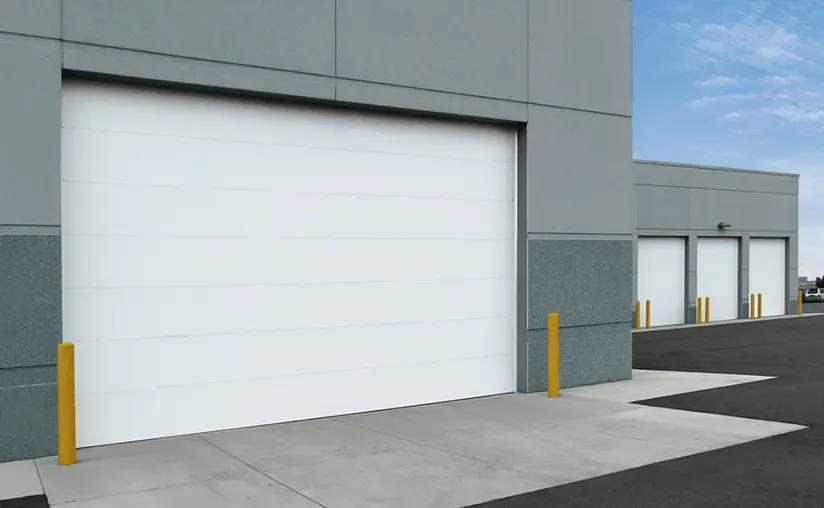
 Commercial garage doors are essential to the daily operations of many Alabama businesses. Whether you manage a warehouse, auto shop, fire station, or delivery center, your doors are constantly in motion—opening, closing, and protecting your property. With all that use, regular maintenance isn’t just recommended; it’s necessary to keep your business running smoothly and safely.